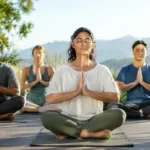

Choosing a course in wellbeing can feel surprisingly personal. You may be drawn to it because you want a more meaningful career, because your own healing journey has changed you, or because you feel ready to support others with greater care and confidence. The most valuable Birmingham wellness courses honour that starting point. They offer more than information – they create space for reflection, practice and genuine personal development.
For aspiring healers, the right learning environment should feel both welcoming and well held. Spiritual development asks us to become more present, more discerning and more compassionate. That work deserves thoughtful teaching, clear boundaries and a community where questions are met with respect.
What do you want from a wellness course?
Before comparing course titles or timetables, pause with the reason you are looking. A course may be a first step towards working in complementary wellbeing, an addition to an existing practice such as massage, Reiki, reflexology or counselling, or a dedicated opportunity to understand yourself more deeply.
Your intention will shape what “right” looks like. Someone seeking a professional route may need supervised practical experience, clear ethical guidance and a recognised qualification. Someone attending for personal growth may value a smaller group, reflective teaching and the chance to develop at their own pace. Neither reason is more valid, but they call for different kinds of support.
It also helps to be honest about capacity. Deep learning is rarely achieved by simply collecting certificates. Consider whether you can give the course time between sessions for reading, reflection and practice. A weekend format can work well around employment and family life, while a longer programme may offer the steadiness needed for skills to settle.
Birmingham wellness courses: what good teaching feels like
Wellness is a broad word. It can include mindfulness, breathwork, yoga, nutrition, massage, coaching and many forms of energy or spiritual practice. Quality varies, so look beyond polished course descriptions and ask how learning is actually delivered.
A well-designed course has a clear purpose. You should understand what you will learn, how the teaching is structured and what is expected of you. In spiritual healing training, for example, it is useful to explore not only methods and practical technique, but also intention, sensitivity, grounding, listening and responsible client care.
The atmosphere matters just as much. Personal experiences can arise when we slow down and work with mind, body and spirit. A skilled tutor does not force disclosure or promise a particular outcome. They make room for each person’s beliefs and lived experience, while keeping the group safe, focused and respectful.
Practical learning should not be an afterthought
Watching a demonstration can be inspiring, but confidence grows through supported practice. Look for opportunities to experience a method, receive feedback and learn how to respond calmly when something does not go as expected.
For those considering future client work, practical learning should include consent, confidentiality, appropriate language and professional boundaries. These are not administrative extras. They are part of caring well for another person. A practitioner who knows when to listen, when to refer on and when not to make claims offers a far safer experience than one who relies on technique alone.
Lineage, experience and integrity
In spiritual and complementary disciplines, teaching lineage may be meaningful. Knowing where a philosophy comes from can bring depth and a stronger sense of responsibility. It should never become a reason to stop asking sensible questions, however.
Ask about the tutor’s experience, the approach behind the course and the support available after completion. If accreditation or professional recognition matters to your goals, confirm exactly what is included and whether it is accepted by the organisation or insurer you have in mind. Clear answers are a reassuring sign.
The difference between learning for yourself and training to practise
Many people begin a healing course for themselves and later realise they would like to help others. There is no need to decide everything at the beginning. Yet it is useful to distinguish between a restorative workshop and practitioner training.
A personal wellbeing course may introduce calming practices, spiritual awareness or tools for emotional balance. Its benefit may be the insight it gives you and the habits you take into everyday life. It need not prepare you to offer sessions to the public.
Practitioner training carries greater responsibility. It should help you develop a consistent approach, understand scope of practice and communicate honestly about what you offer. Complementary healing can sit alongside conventional healthcare, but it should not be presented as a replacement for medical diagnosis, treatment or urgent support. A responsible course teaches this plainly.
If you are changing career, consider the practical picture too. Building a therapeutic practice involves more than completing training. You may need insurance, a suitable setting, administration, continued learning and the patience to establish trust. For some, this is a fulfilling next chapter. For others, integrating new skills into an existing role is the better fit.
Questions worth asking before you enrol
A course provider should make it easy to make an informed choice. Rather than choosing solely on price, ask what is included in the fee, whether materials and assessment are covered, and what attendance is required. Find out whether you can speak to the tutor or attend an introductory session before committing.
It is also sensible to ask about group size. Small groups can allow for closer guidance and a more personal atmosphere. Larger groups may offer a wider range of perspectives, but they can make individual feedback harder. The best option depends on how you learn and how much experience you already have.
Ask what happens after the final session. Ongoing practice groups, mentoring or a supportive alumni community can make a meaningful difference, particularly when you are learning intuitive or hands-on work. The aim is not dependence on a teacher. It is to build your confidence with steady, informed support as you find your own way.
Why the setting can shape the experience
A peaceful, accessible setting will not teach the course for you, but it can help you arrive ready to learn. Travelling to a dedicated wellbeing space gives many people permission to step away from daily demands and become present.
For learners across the West Midlands, a course based in Kings Norton can offer a local route into structured holistic training without the pressure of a city-centre commute. At a setting such as the Lakeside Centre, the value lies in having room to pause, practise and connect with others who understand why this work matters.
Still, location is only one consideration. If an online or hybrid format suits your health, responsibilities or distance from Birmingham, assess how the provider creates connection and supervises practical work remotely. Flexibility is valuable when it does not dilute care or clarity.
Let your learning develop at a human pace
There can be a temptation to look for the quickest route to feeling better or becoming qualified. Healing rarely works to a timetable. A worthwhile course gives you tools, structure and encouragement, but it does not demand that you become a different person overnight.
At Spiritual Healing®, training is approached as a compassionate process of developing awareness alongside practical ability. That balance matters. The most enduring learning is not about performing spirituality or having all the answers. It is about becoming more grounded in your presence, your ethics and your capacity to meet another person with kindness.
If you are considering Birmingham wellness courses, choose the one that leaves you feeling informed rather than pressured, supported rather than managed, and quietly encouraged to keep growing. Your next step does not have to be perfect. It simply needs to be one that respects where you are and the person you are becoming.